Region Guide
Santiago and the Cibao Valley: The Heart of Dominican Cigar Country
Santiago de los Caballeros and the surrounding Cibao Valley are the center of the Dominican cigar industry, home to most of the country's premium cigar factories and tobacco farms.
Updated · Dominican Cigar Tours Editorial Team
Read About La Aurora →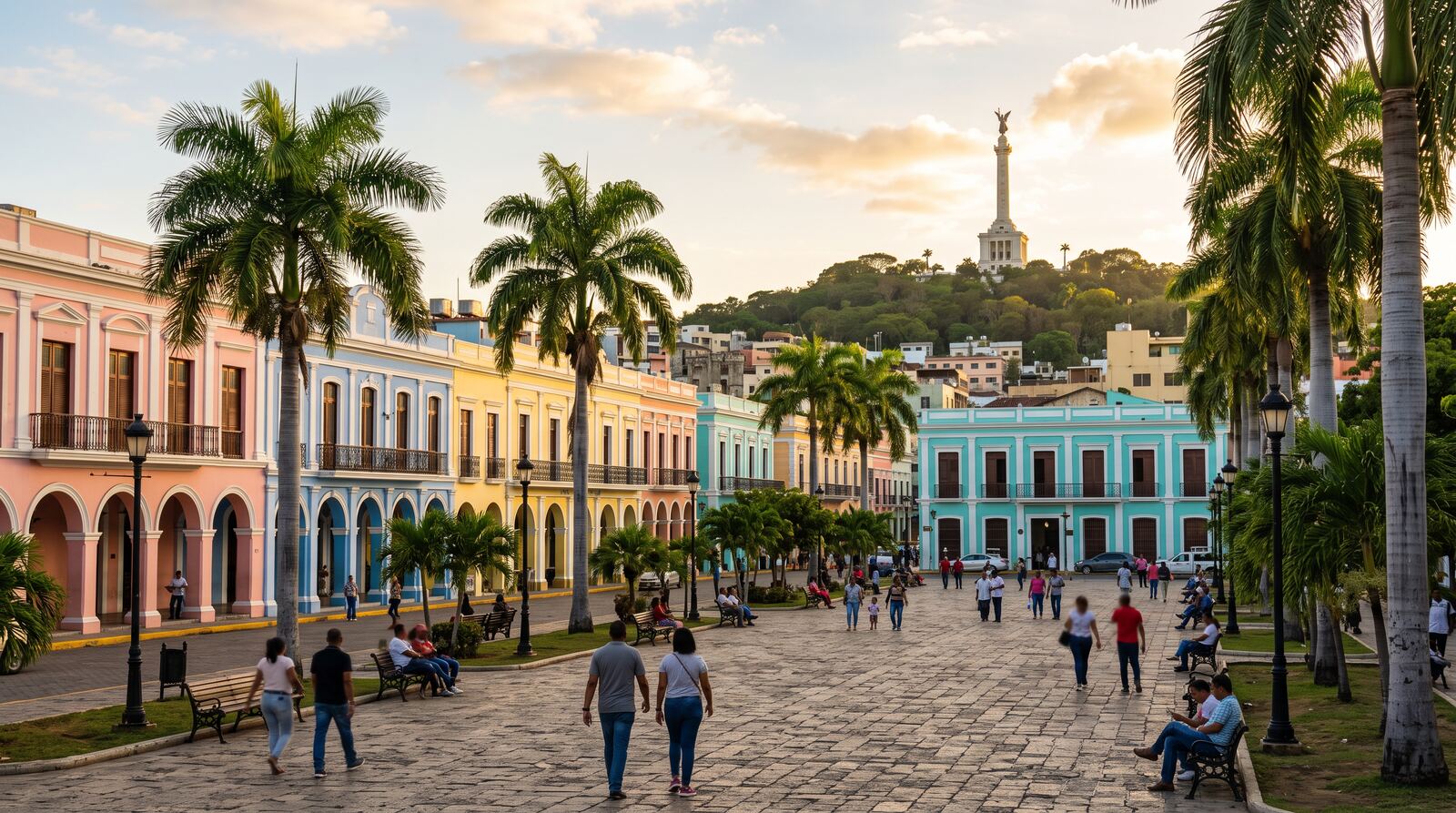
Santiago de los Caballeros is the Dominican Republic's second-largest city and its cigar capital. The fertile Cibao Valley that surrounds it has grown tobacco for centuries, and today the area is home to dozens of premium cigar factories, from global giants to small boutique operations.
The Cibao Valley
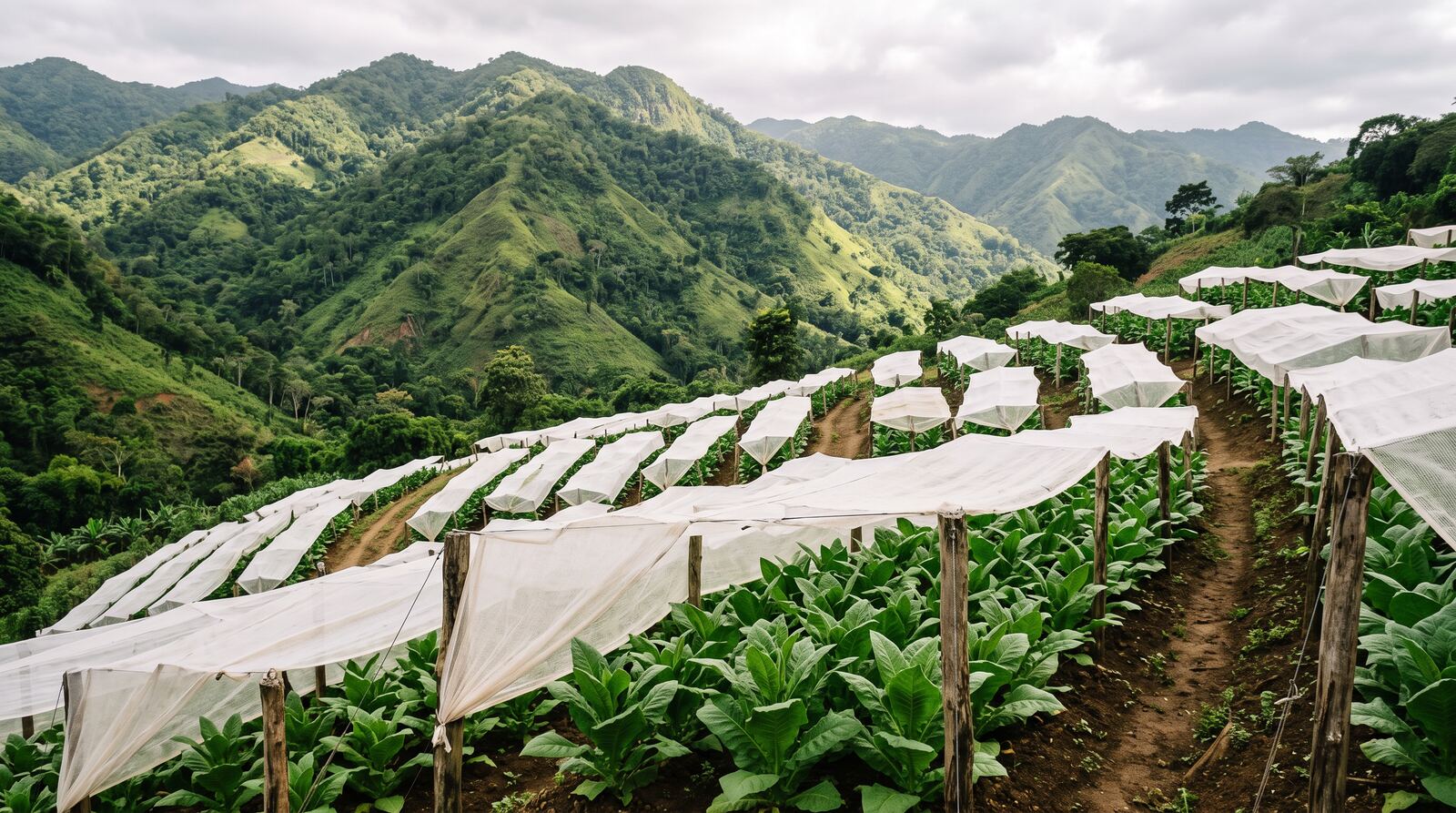
The Cibao stretches across the north of the country between two mountain ranges. Its rich soil and climate have made it the Dominican Republic's agricultural heartland, producing tobacco, cacao, rice and more. Tobacco was being grown and exported from here long before the modern premium cigar industry arrived.
The Cigar Towns
| Town | Known for |
|---|---|
| Santiago de los Caballeros | The cigar capital; factories, free-trade zones and Centro León |
| Tamboril | A historic cigar town just east of Santiago; birthplace of La Aurora |
| Villa González | Tobacco farms and factories west of Santiago |
| Navarrete | Farming and tobacco along the Yaque del Norte valley |
Dominican Tobacco Types
Dominican growers produce several traditional filler tobaccos, notably Piloto Cubano, grown from Cuban seed and known for strength and spice, and Olor Dominicano, a native variety prized for its mild aroma and good burn. For decades almost all wrapper had to be imported, until growers proved fine wrapper could be grown in the Dominican Republic too; see Chateau de la Fuente.
The 1960s Boom
After the Cuban Revolution, many Cuban cigar families and tobacco experts left the island. Some settled in the Dominican Republic, bringing seeds and skills. In the following decades the DR grew into the world's leading source of premium handmade cigars, with Santiago at its center.
Centro León
Centro León, a cultural center in Santiago, was opened in 2003 by the León family, whose ancestor founded La Aurora. It houses art and anthropology exhibitions about Dominican culture, and it has historically included a display on the region's tobacco heritage. It is a good starting point for understanding the place of tobacco in Cibao life. Check current exhibits before visiting.
The Monument
Santiago's skyline is dominated by the Monumento a los Héroes de la Restauración, a tall white monument on a hill above the city. The streets around it are full of restaurants and bars that make a good base for a cigar trip.
Planning a Visit
- Getting there: Santiago's Cibao International Airport (STI) has direct flights from several U.S. cities.
- From the resorts: Punta Cana is roughly three or more hours away by road.
- Book ahead: many factories admit visitors only by arrangement.
- Timing: the tobacco growing season runs roughly from late fall into spring, when the fields are green.
Etiquette on a Factory Visit
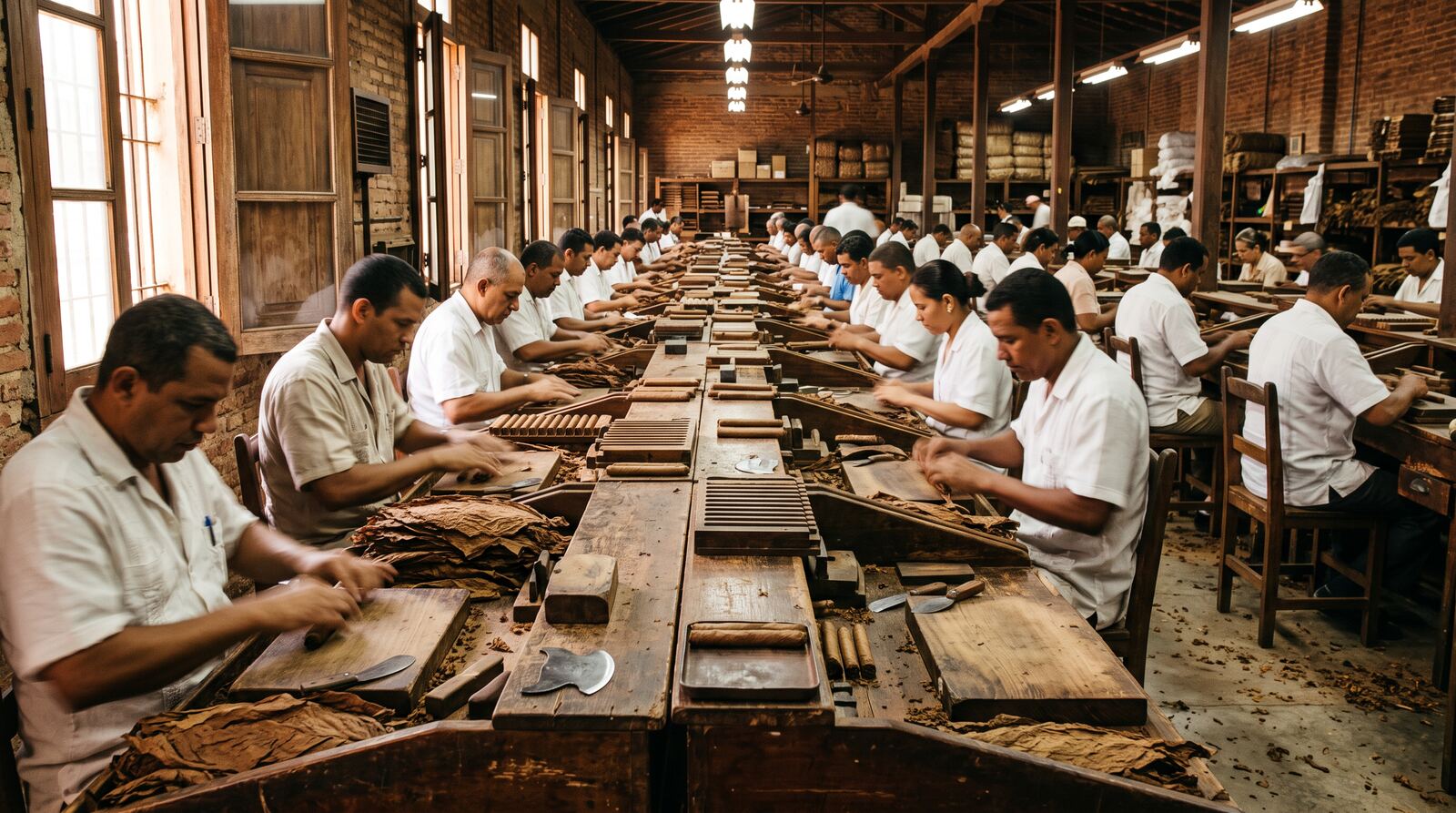
Ask before taking photos of rollers, keep a respectful distance from the work tables, and do not handle leaf or cigars unless invited. Rollers are often paid by output, so a quick visit should not slow them down. A tip for your guide is customary, and buying a few cigars at the factory shop is a good way to say thanks.
Where to Start
For a first visit, start with a factory known for welcoming guests, such as La Aurora, then add a farm visit and a stop at Centro León.
Frequently Asked Questions
Where is Dominican cigar country?
In the Cibao Valley around Santiago de los Caballeros in the north of the Dominican Republic.
Which towns near Santiago are known for cigars?
Tamboril, Villa González and Navarrete, among others.
What tobacco is grown in the Dominican Republic?
Traditional fillers include Piloto Cubano and Olor Dominicano, plus wrapper on some farms.
What is Centro León?
A cultural center in Santiago opened in 2003 by the León family, descendants of La Aurora's founder.
How far is Santiago from Punta Cana?
Roughly three or more hours by road.