Farm Guide
Chateau de la Fuente: The Farm That Changed Dominican Cigars
Chateau de la Fuente is Arturo Fuente's tobacco farm in the mountains near Bonao, where in the early 1990s the Fuente family grew Cuban-seed wrapper and proved the Dominican Republic could produce world-class wrapper.
Updated · Dominican Cigar Tours Editorial Team
Bringing Cigars Home →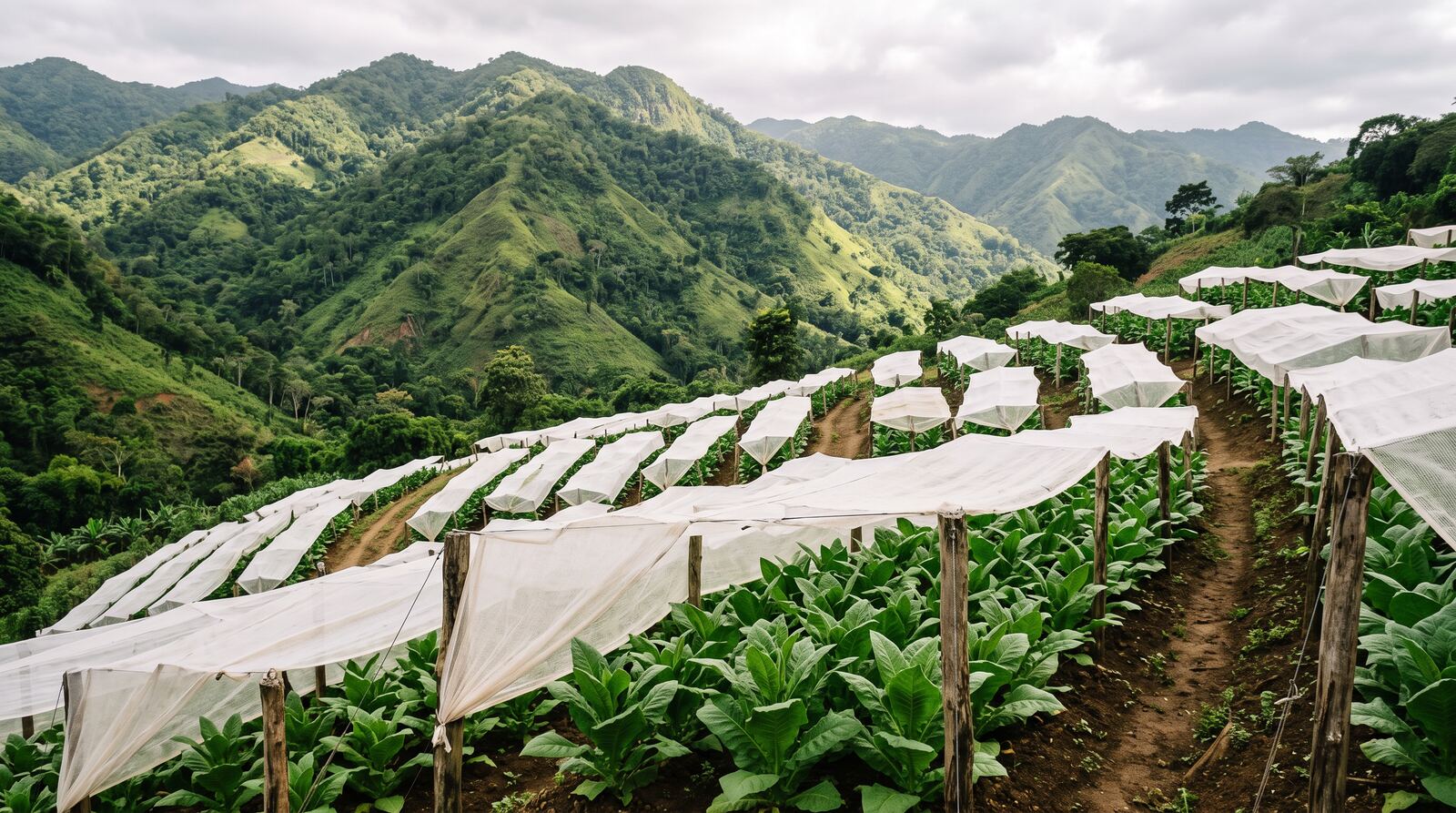
For most of the 20th century, conventional wisdom held that the Dominican Republic could grow good filler but not fine wrapper. Wrapper came from Connecticut, Cameroon, Ecuador or Sumatra. Chateau de la Fuente changed that.
The Fuente Family
The Arturo Fuente cigar company began in Florida and moved its production through Central America before settling in Santiago, Dominican Republic. Under Carlos Fuente Sr. and Carlos "Carlito" Fuente Jr., it became one of the most respected names in premium cigars.
Growing Wrapper
In the early 1990s, Carlito Fuente planted Cuban-seed tobacco on the family's farm in the mountains near Bonao, intending to grow wrapper. According to Cigar Aficionado, he started with 37 acres. Many in the industry were skeptical, but the leaf proved itself, and the farm, known as Chateau de la Fuente, became famous.
Fuente Fuente OpusX
The wrapper from Chateau de la Fuente went into Fuente Fuente OpusX, which debuted in November 1995. It was a Dominican puro, a cigar made entirely of Dominican tobacco, including the wrapper, something many thought impossible. OpusX became one of the most sought-after cigars in the world, and a Reserva d'Chateau OpusX was named Cigar Aficionado's Cigar of the Year in 2023.
Why Wrapper Is Hard
Wrapper is the most demanding leaf to grow. It must be thin, elastic, even in color and free of blemishes, so it is often grown under shade cloth to soften the sun. Small changes in soil, rain and curing affect the result. Successfully growing wrapper in the Dominican Republic opened the door for other Dominican wrapper projects.
How Shade Wrapper Is Grown
Shade-grown wrapper plants are raised under cheesecloth or mesh tents that filter sunlight and trap humidity, producing larger, thinner and more elastic leaves. Leaves are picked a few at a time from the bottom of the plant up, a process called priming, then air-cured in barns for several weeks before fermentation. Each step affects the color, texture and flavor of the finished wrapper. A single wrapper crop can take well over a year from planting to the point where the leaf is ready to roll, which is part of why fine wrapper is the most expensive tobacco in a cigar.
Visiting
Chateau de la Fuente is a working farm, not a public attraction. Visits are by invitation, typically through events such as the ProCigar festival or arrangements made through the company and its partners. Do not expect to be able to drive up and visit.
The Fuente Factory in Santiago
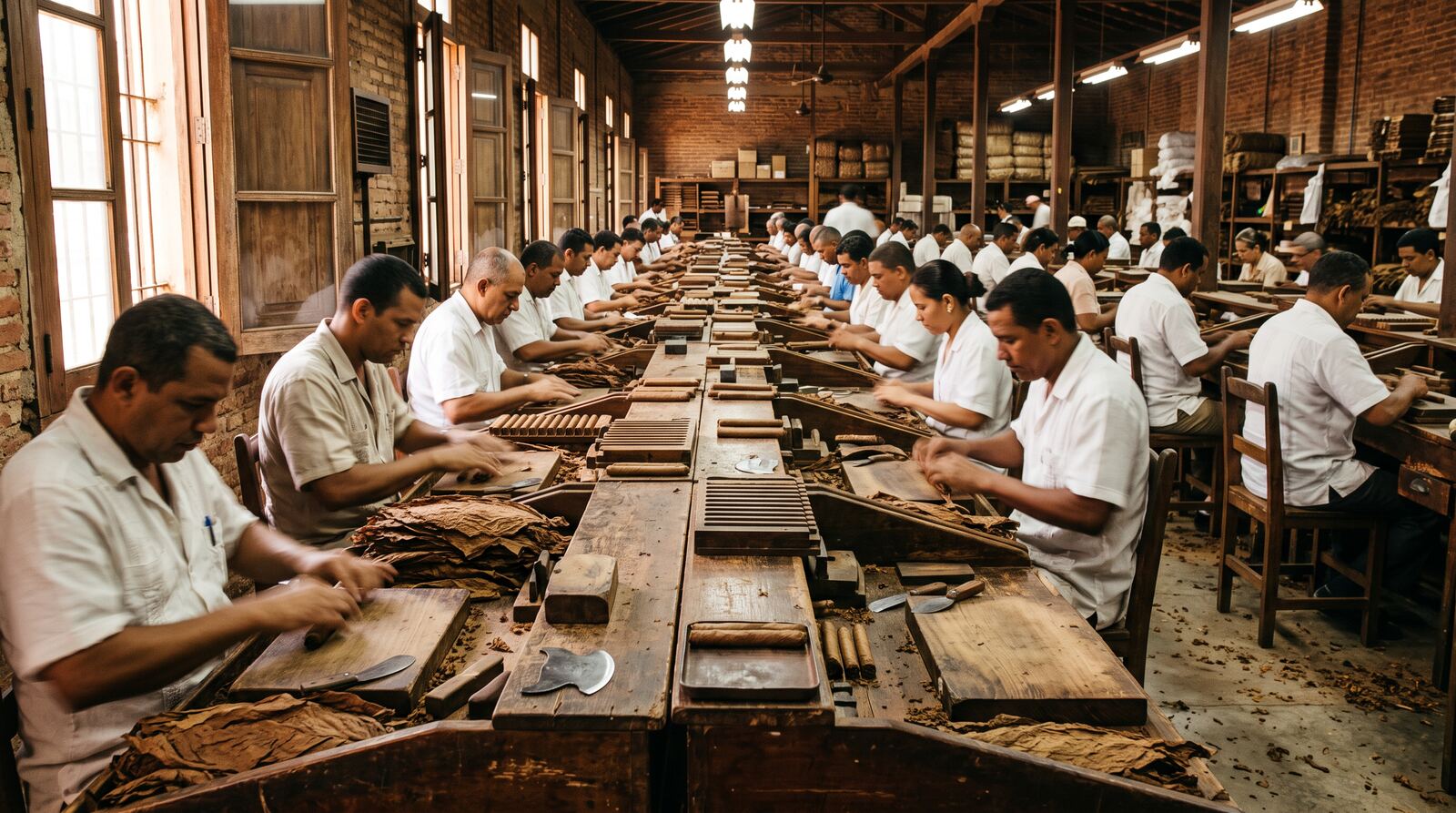
Fuente's main factories are in Santiago, where the family's cigars, including Hemingway, Don Carlos and OpusX, are rolled. Like Chateau de la Fuente, they are generally not open to casual walk-in visitors.
A Lasting Legacy
Chateau de la Fuente showed that the Dominican Republic could make cigars entirely from its own tobacco. Many Dominican makers have since released their own Dominican puros, and the farm remains a symbol of the country's rise.
The Cigar Family Charitable Foundation
The Fuente family, together with the Newman family of J.C. Newman Cigar Co., also founded the Cigar Family Charitable Foundation, which supports schools and community programs near the Bonao farms. It is one of the best-known charitable efforts in the cigar industry.
Frequently Asked Questions
Where is Chateau de la Fuente?
In the mountains near Bonao, in the central Dominican Republic.
What is grown at Chateau de la Fuente?
Cuban-seed tobacco, including the wrapper used for Fuente Fuente OpusX.
When did OpusX come out?
Fuente Fuente OpusX debuted in November 1995.
Can you visit Chateau de la Fuente?
Only by invitation, typically through events or arrangements with the company.
Why was Chateau de la Fuente important?
It proved the Dominican Republic could grow fine wrapper, making all-Dominican puros possible.